
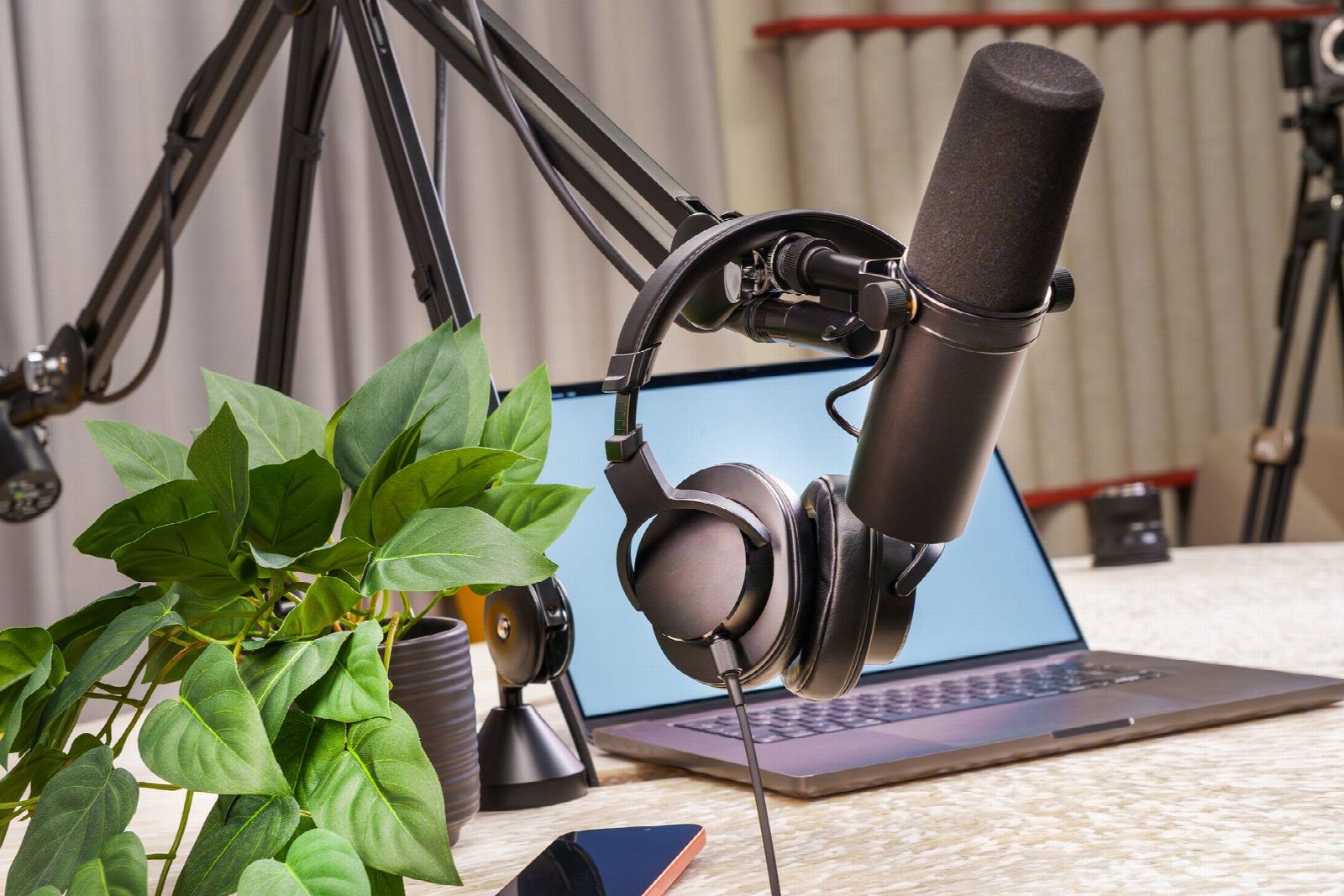
RevUp Studio is a podcast studio in Norwich, and September is when most of our clients sit down to work out their next run of episodes. Good podcast season planning takes the pressure off later, because the hard thinking happens once instead of every week. Here is how we help people map out a full season before the first recording day.
Why September Suits a Fresh Season
The summer gap is a natural break point. Listeners come back to routines in September, inboxes get answered again, and guests are easier to pin down than they were in August. If you release weekly from mid-September, you can run right through to a December finish without fighting the holidays.
It also gives you a clean block of time. A season with a start and an end is easier to promote than a show that just keeps going. You can announce it, batch the work, then take a proper break before the next run.
Decide How Many Episodes You Actually Want
Most first seasons work well at eight to twelve episodes. That is enough to build a habit with listeners, and short enough that you can record the bulk of it in a handful of days.
Work backwards from your finish date:
- Pick your last release date
- Count back one week per episode
- Add two weeks of buffer for edits and delays
- That gives you your first recording day
If that first date has already passed, cut the episode count rather than rushing the recording. A tight, finished season beats a long one that stalls in week five.
Weekly or fortnightly?
Weekly builds momentum faster, but it eats more of your time. Fortnightly suits shows with heavy research or hard-to-book guests. Pick one and stick to it for the whole season, because changing halfway loses people.
Podcast Season Planning: Build the Episode Map
Before you book anything, write a one-line description of every episode in the season. Not a script, just the subject and why anyone would listen. If you cannot write that line for episode nine, episode nine is not ready.
Then sort them. We usually suggest:
Episode one sets out what the show is for. Make it strong, because it is the one most new listeners try first.
The middle is where you put your best guests and your most useful topics. Do not save everything for the end.
The final episode should point somewhere: a recap, a look ahead, or something that makes people wait for the next season.
Our content strategy work is built around this stage. We sit down with you, go through the list, and knock out the topics that overlap or do not earn their place.
Batch Your Recording Days
The biggest time saving in podcasting is recording several episodes in one session. You set up once, warm up once, and get into a rhythm. Three or four episodes in a day is realistic for most solo and two-host shows.
A few things that make batch days work:
- Bring notes for every episode, printed or on a tablet
- Water, not coffee, after the second episode
- A short break between each one to reset
- Record the intros last, when you know what you actually said
Guest episodes are harder to batch because you are working round other people's diaries. Book them early and spread them across your recording days rather than stacking them all at the end. You can see how we handle sessions on our podcast recording page.
Plan for Guests Who Cannot Travel
Some guests will be in another city or another country. That is normal, and it does not have to mean a drop in quality. We handle remote recording so the guest's audio is captured properly at their end rather than squashed down a video call.
When you are mapping the season, mark which episodes are remote. They need different lead time: you are sending instructions, testing connections, and working round time zones.
Leave Room for Edits
This is where seasons slip. Recording is the fun part, editing is the part that gets pushed back. Build the turnaround into your plan from the start rather than hoping it fits.
If you are handling edits yourself, give each episode a fixed slot in your week. If you are not, hand it over. Our post production covers the cutting, levelling and tidying so you are not sitting at a screen removing ums at eleven at night.
Think About Video Early
Deciding to add video halfway through a season is painful, because the first few episodes will not match. Make the call before you record anything.
If video is part of the plan, it changes the room setup, what you wear, and how much you can look at your notes. We can cover this as part of video production so the whole season looks consistent.
A Simple September Checklist
- Set your first and last release dates
- Write one line for every episode
- Book your recording days
- Contact guests with dates, not vague invitations
- Decide audio only or audio and video
- Agree who is editing and by when
- Write your season announcement post
Tick those off and the season runs itself.
Talk to Us About Your Season
If you want a hand mapping out episodes, booking recording days, or working out what is realistic between now and Christmas, give RevUp Studio a call on 01603 555439 or get in touch through our contact page.